A container door should open and close without excessive force while protecting the contents from wind, rain, dust and moisture. Over time, however, the door may become difficult to operate, may no longer seal properly or may not lock correctly.
This does not necessarily mean that the entire door needs to be replaced. The problem may be caused by anything from uneven ground to a worn rubber seal or a damaged component in the locking mechanism. It is therefore important to identify the cause before choosing the right solution.
Is the container level?
Before replacing any components, you should check whether the container is positioned on a stable and level surface.
If a container is placed on uneven ground, the frame may twist slightly. Even a small amount of distortion can affect the door opening, making the doors difficult to close or preventing the locking rods from engaging correctly with the keepers. It may appear that the door or locking mechanism is defective, even though the actual problem is the container’s position.
Check:
- Whether all four corners are properly supported
- Whether the ground is stable and sufficiently level
- Whether the container has shifted or settled after installation
- Whether the doors work better once the container has been levelled

If the container is not level, it should be levelled before any components are adjusted or replaced. If the problem continues, the door or one of its moving parts may require attention.
When the door requires excessive force to open or close
A container door that is difficult to operate may be affected by rust, dirt or wear around the hinges, locking rods and fittings. Moving parts that are not maintained can gradually become stiff or eventually seize completely.
Start by checking whether:
- The hinges move freely
- The locking rods are straight and undamaged
- The handles are correctly positioned
- The cam keepers and other fittings are worn or deformed
- Rust, dirt or foreign objects are obstructing the mechanism
Cleaning and lubricating the moving parts may sometimes be sufficient. If a component is bent, loose or severely worn, it should be replaced. Avoid applying excessive force to the handles, as this may cause further damage to the locking rod and fittings.
When the door no longer seals properly
Visible gaps around the container door can allow water, dust and moisture to enter more easily. This may damage the stored goods and increase the risk of moisture-related problems inside the container.
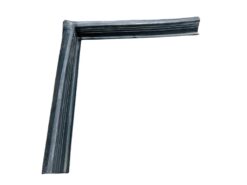
A common cause is a worn, cracked or damaged rubber seal. Over time, the seal may lose its flexibility or become damaged through frequent use and transportation.
At Specialcontainer, you will find:

Depending on the extent of the damage, you can replace the entire seal or only the damaged section. It is also important to inspect the corners of the door, as leaks often occur in these areas.
However, fitting a new seal will only solve the problem if the door and frame are not deformed and the door closes correctly against the frame.
When the locking rod does not engage correctly
If the handle moves but the door does not lock properly, the problem may be located in the locking rod or the fittings that hold it in place.
The locking mechanism consists of several components that work together. The cams at the ends of the locking rod must engage correctly with the keepers on the container. If one of these components is worn, loose, bent or incorrectly positioned, the door may become difficult to lock.
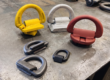
We offer, among other products:

Replacing the damaged component can often restore the door’s function without requiring replacement of the entire door. Inspect all parts of the mechanism, as a fault in one area can place additional strain on the other components.
When the handle or locking bar is damaged
A loose, bent or damaged handle can make it difficult to transfer the necessary movement to the locking rod. The problem may also be caused by worn bolts or fittings around the locking bar.
If the handle is unstable, check its mounting points and inspect the components for deformation. Replacing a handle, bolt or fitting is often a straightforward and economical repair compared with replacing the entire locking mechanism.
When the entire container door needs to be replaced
Minor damage can often be repaired by installing new seals, locking rods or fittings. However, if the door has been severely damaged by corrosion, impact or deformation, replacing the complete door may be the most practical solution.
A new container door may be necessary when:
- The door leaf is severely deformed
- Corrosion has weakened the structure
- The hinges or mounting points are seriously damaged
- The door does not seal properly, even after adjustment
- Several parts of the locking mechanism are damaged at the same time

Specialcontainer supplies complete container doors for repairing and modifying existing containers as well as for new container constructions.
Identify the problem before choosing a spare part
When a container door does not function correctly, we recommend checking it in the following order:
- Check whether the container is level and stable
- Inspect the door for corrosion, impact damage and deformation
- Examine the rubber seals and corner seals
- Check the hinges, handles and locking rods
- Inspect the cam keepers and other fittings
- Replace only the components that are worn or damaged
This approach helps you avoid unnecessary replacements and allows you to select a solution that matches both the type of damage and the overall condition of the container.
Everything you need when a container door will not close
In Specialcontainer’s webshop, you will find rubber seals, corner seals, locking rods, handles, keepers, complete locking gear sets and container doors. These components can be used for regular maintenance, repairs and container modifications.
If you are unsure which spare part is suitable for your container door, you are welcome to contact us. Please send us photos of the door and the damaged component so that we can help you identify the right solution.


Q&A
Why is my container door difficult to close?
The container may be positioned unevenly, causing the frame to twist and preventing the locking rods from engaging correctly. First, check whether the container is level. If its position is correct, the problem may be caused by worn hinges, locking rods, handles or keepers.
Do I need to replace the entire container door if it no longer seals properly?
Not necessarily. If the door itself is in good condition, replacing a damaged rubber seal or corner seal may be sufficient. A complete replacement is normally only required if the door is severely corroded, deformed or otherwise seriously damaged.
Can I replace individual components of the locking mechanism?
Yes. Locking rods, handles, bolts, cam keepers and other fittings can be replaced separately. This makes it possible to repair the defective component without replacing the entire door or locking mechanism.