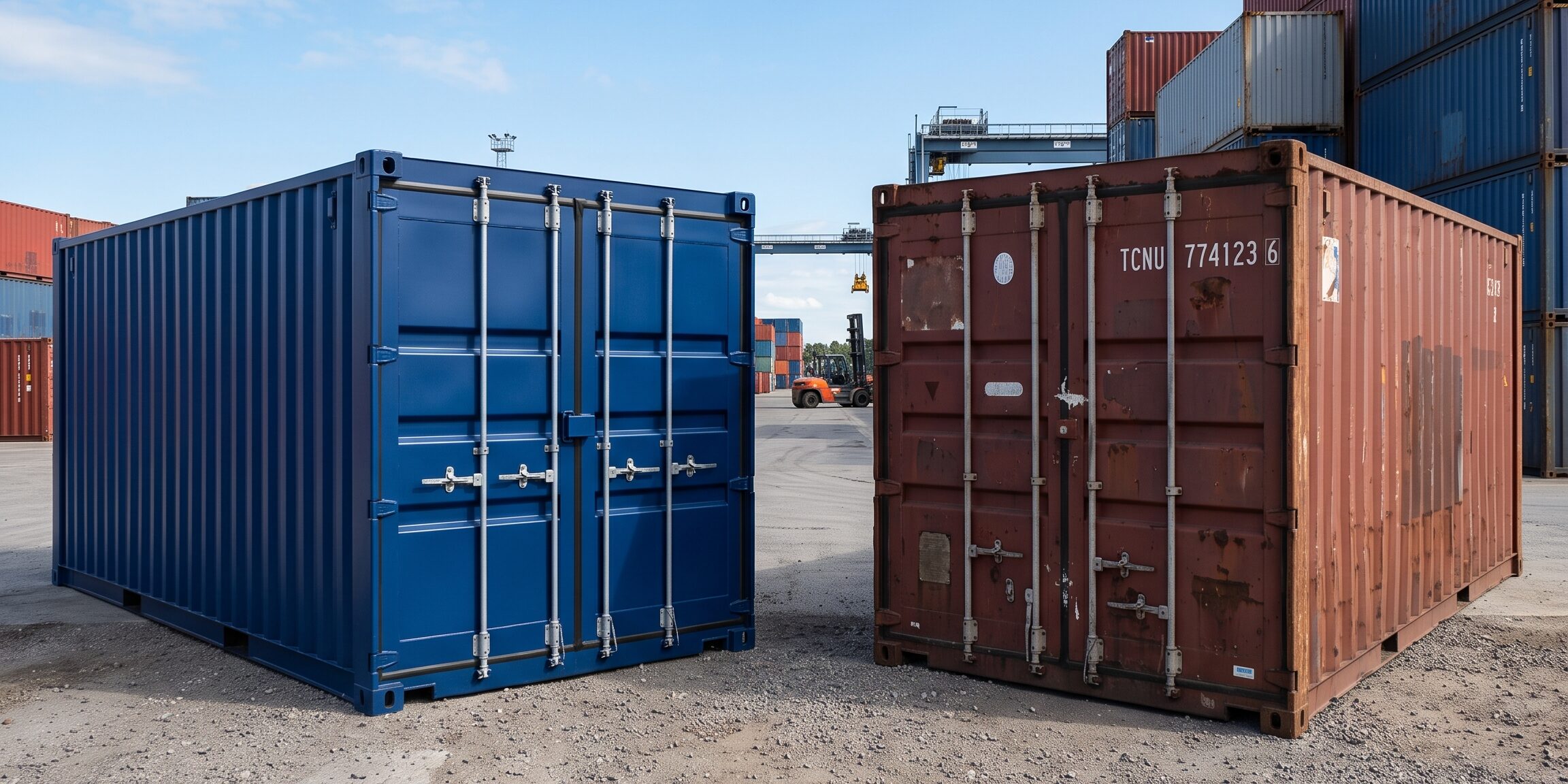
New or used container – which should you choose?
When should you choose a new container?
A new container is often the obvious choice when it will be used for many years or when there are specific requirements regarding its condition, appearance and documentation.
A new container offers:
- No previous use or wear and tear
- A known history and relevant documentation
- A long expected service life
- A uniform and presentable appearance
- The option to select the required size and specifications
- A good starting point for conversion and customisation
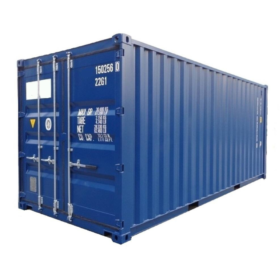
A new container may therefore be the best solution for permanent installations, long-term projects, customer-facing areas or applications where its appearance is important.
When is a used container the right choice?
A used container can be an attractive alternative when functionality and price are more important than a flawless cosmetic appearance.
The benefits may include:
- A lower purchase price
- Quick access to models already in stock
- A choice of different sizes and container types
- A functional solution for storage, transport or project use
- Extended use of an existing steel structure
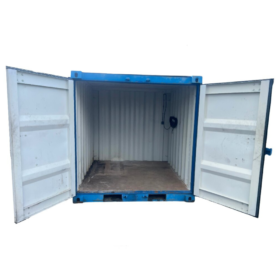
Used containers may have scratches, dents, colour variations, surface rust and other signs of previous use. However, this does not necessarily mean that they can no longer serve their purpose. The most important consideration is whether the container’s condition is suitable for the intended application.
A more resource-conscious choice
Containers are designed to be robust and remain in service for many years. Even when a container is no longer required for its original purpose, it can often continue to be used as a storage unit, workshop, technical room or part of a customised solution.
When a used container is inspected, maintained and repaired where necessary, its service life can be extended considerably. This allows the existing steel structure to remain in use for longer and gives the container a new purpose instead of taking it out of service.
Used and refurbished containers are therefore a relevant option for companies wishing to combine functionality and cost efficiency with a more conscious use of existing resources.
Used containers can be adapted for new purposes
A former transport or storage container does not necessarily need to continue serving the same function.
Depending on its condition and construction, a used container can be equipped with:
- Additional doors and windows
- Ventilation
- Insulation
- Lighting and electrical installations
- Shelving and other interior equipment
- Locks and additional security
- New paint or surface treatment
This makes it possible to adapt a used container to a new project and extend its useful life even further.
New or used offshore DNV container?
For offshore operations, documentation and inspection status are particularly important. The choice should therefore not be based solely on price and appearance.
New offshore DNV container
A new offshore container is the obvious choice when you require:
- No previous use or wear and tear
- Full documentation and a known history
- A long expected service life
- The option to select the required size and specifications
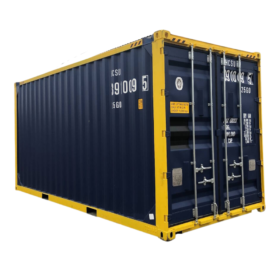
Specialcontainer offers new enclosed offshore containers in several sizes, including 10 ft, 10 ft HC, 20 ft and 20 ft HC.
Used offshore DNV container
A used offshore container can be an attractive alternative when you are looking for:
- A lower purchase price
- Quick access to a container already in stock
- An inspected and documented solution
- An opportunity to extend the life of an existing offshore container
- A solution where cosmetic signs of use are acceptable
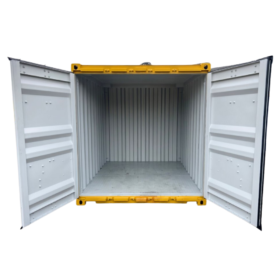
A used offshore container may have scratches, dents and other signs of previous use. However, it can still be used offshore when its condition, documentation and inspections meet the relevant requirements for the operation.
What should you check before buying?
Before selecting a container, you should examine:
- The container type and size
- Its year of manufacture and previous use
- Its overall technical and cosmetic condition
- The condition of the floor, roof, walls and doors
- Its payload and other relevant specifications
- Documentation and any required inspections
- The need for repairs or modifications
- The expected delivery time
For offshore DNV containers, you should also check their latest inspection status and determine whether the container is supplied with a lifting sling or whether this must be ordered separately.
What is most important: price, condition or service life?
There is no single option that is suitable for every project.
A new container may be the best long-term investment if you want the longest possible service life, a known history and a uniform appearance. A used container may be the right choice if you need a functional and cost-effective solution and can accept normal signs of previous use.
The most important factor is that the container’s condition and specifications are suitable for its intended application.
Find the right container at Specialcontainer
At Specialcontainer, you can find both new and used containers for a wide variety of purposes – from storage and transport to offshore operations and customised projects.
Q&A
Is it better to buy a new or a used container?
It depends on the container’s intended use, your budget and your requirements regarding its condition and documentation. A new container provides a known history, minimal wear and a long expected service life. A used container is often more affordable and can be a functional and more resource-conscious solution.
What should I check when buying a used container?
Check the container’s year of manufacture, floor, roof, walls, doors, weather resistance and overall condition. For offshore DNV containers, you should also check the documentation, latest inspection status and payload, and whether a lifting sling is included.
Can a used container be adapted for a new purpose?
Yes. Depending on its condition and construction, a used container can be equipped with additional doors, windows, ventilation, insulation, electrical installations, shelving and locks. It can also be repainted or refurbished to make it more suitable for its new purpose.