When several containers are placed side by side, challenges quickly arise in practice
Even if the containers are positioned close together, they are not actually connected. This means that even small movements – caused by wind, load, or daily use – can create issues over time.
Typical challenges:
- movement between containers
- gaps and leaks in the joints
- lack of overall stability
In projects where containers need to function as one integrated solution – such as storage, temporary facilities, or technical installations – it’s not enough for them to simply stand next to each other.
Solution: mechanical connection in the corner castings
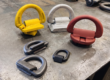
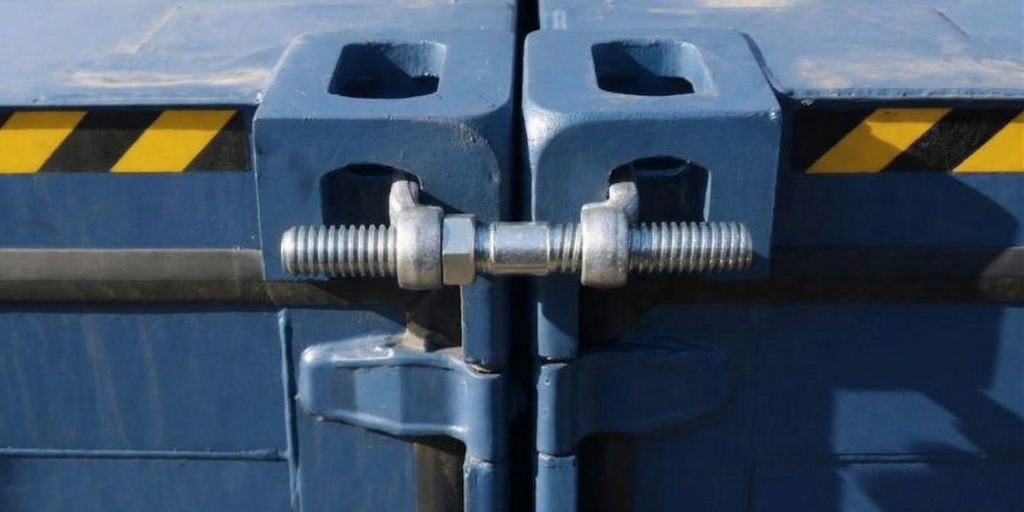
Bridge fittings are designed to connect containers directly via the corner castings.
This makes it possible to link multiple units quickly and efficiently – without welding or permanent modifications.
The result is a setup where containers work as one unit:
- reduced movement between containers
- tighter connections
- improved overall stability
It’s a practical solution, especially in setups that may need to be adjusted or reconfigured over time.
Which type should you choose?
The right choice depends on how your containers are positioned and how much space you have for installation.
Typical options include:
- 260 mm – standard solution for most setups
👉 https://specialcontainer.dk/en/produkt/bridge-fitting-260-mm-standard/ - 330 mm – when additional flexibility in spacing is needed
👉 https://specialcontainer.dk/en/produkt/bridge-fitting-330-mm-lang-type/ - 380 mm – when installation is done from above or access is limited
👉 https://specialcontainer.dk/en/produkt/bridge-fitting-til-ovenpaa-380-mm-lang-type/
All solutions are designed for quick installation and secure connection between containers.