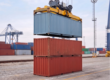
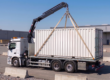
The problem with traditional moving methods
When a container needs to be relocated — and no crane or forklift is available — many teams still rely on manual lifting, wooden pallets under the corners, or improvised solutions that are neither stable nor safe.
Indoors, the challenge becomes even bigger: limited floor space, low ceilings, no access for heavy machinery.
Yet the container still needs to be repositioned, which increases the risk of equipment damage, workflow delays and physical strain on workers.
What modern wheel systems change
By attaching heavy-duty wheels directly to the container’s corner castings, you move from improvisation to a controlled and ergonomically correct handling method.
Industry sources within material handling highlight several well-documented benefits:
-
Improved mobility – a container can be moved by just 1–2 people, even in tight indoor spaces.
-
Reduced physical strain – minimises heavy lifting, bending and twisting.
-
Stable and smooth movement – crucial for concrete floors and narrow work areas.
-
Precise positioning – wheels allow you to manoeuvre the container exactly where you need it.
-
Lower operational costs – less need for external crane or forklift assistance.
How to choose the right wheel system
Several practical aspects should be evaluated:
-
Total weight — container weight plus cargo
-
Floor surface — indoor concrete, asphalt or uneven outdoor terrain
-
Manoeuvrability — need for swivel, brakes, or directional stability
-
Frequency of use — occasional repositioning vs. regular operational movement
Typical use cases
Heavy-duty container wheels offer clear advantages in:
-
workshops, warehouses and production halls
-
indoor projects with limited machine access
-
environments where the container’s position changes frequently
-
temporary installations, events or modular workspaces
Conclusion
Heavy-duty wheels are more than a convenience — they are a practical, safe and efficient solution based on well-established principles of load distribution and controlled movement.
Choosing the right model for the task makes container handling faster, safer and significantly more ergonomic.
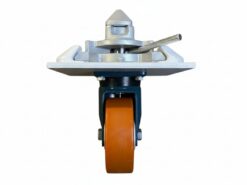

Q&A – Frequently Asked Questions About Heavy-Duty Container Wheels
1. Can heavy-duty wheels be used outdoors?
Yes — but it depends on the surface. On flat asphalt, most wheel types perform well. For uneven ground or gravel, larger diameters or PU/rubber-coated wheels provide better stability.
2. Do all four corner castings need wheels?
Yes. For safe and stable weight distribution, one wheel must be installed on each corner casting. This prevents twisting of the container frame and reduces floor damage.
3. Can one person move a container with wheels?
Often yes — especially for lighter containers and short repositioning tasks. For heavier loads, two people are recommended for improved control and safety.
4. How much weight can the wheels carry?
It depends on the model. Common capacities include:
-
2,400 kg — suitable for light indoor movement and workshop tasks
-
8,400 kg — designed for heavy containers and longer manoeuvring distances
Capacity refers to the complete set, not per wheel.
5. Do wheels damage indoor floors?
On concrete floors, industrial-grade wheels pose minimal risk. PU or rubber-coated wheels further reduce wear and protect the surface.
6. How long does installation take?
Most systems install in 2–5 minutes, with no specialised tools required — ideal for work environments where containers are moved regularly.